

What Is Dry Needling?
Dry needling is a skilled technique performed by a licensed physical therapist using a thin, sterile filament needle to treat muscle tightness, trigger points, and pain. It targets tight or dysfunctional muscle tissue to:
- Reduce pain
- Improve range of motion
- Decrease muscle tension
- Improve muscle activation
- Unlike injections, no medication is used.
What Conditions Can It Help?
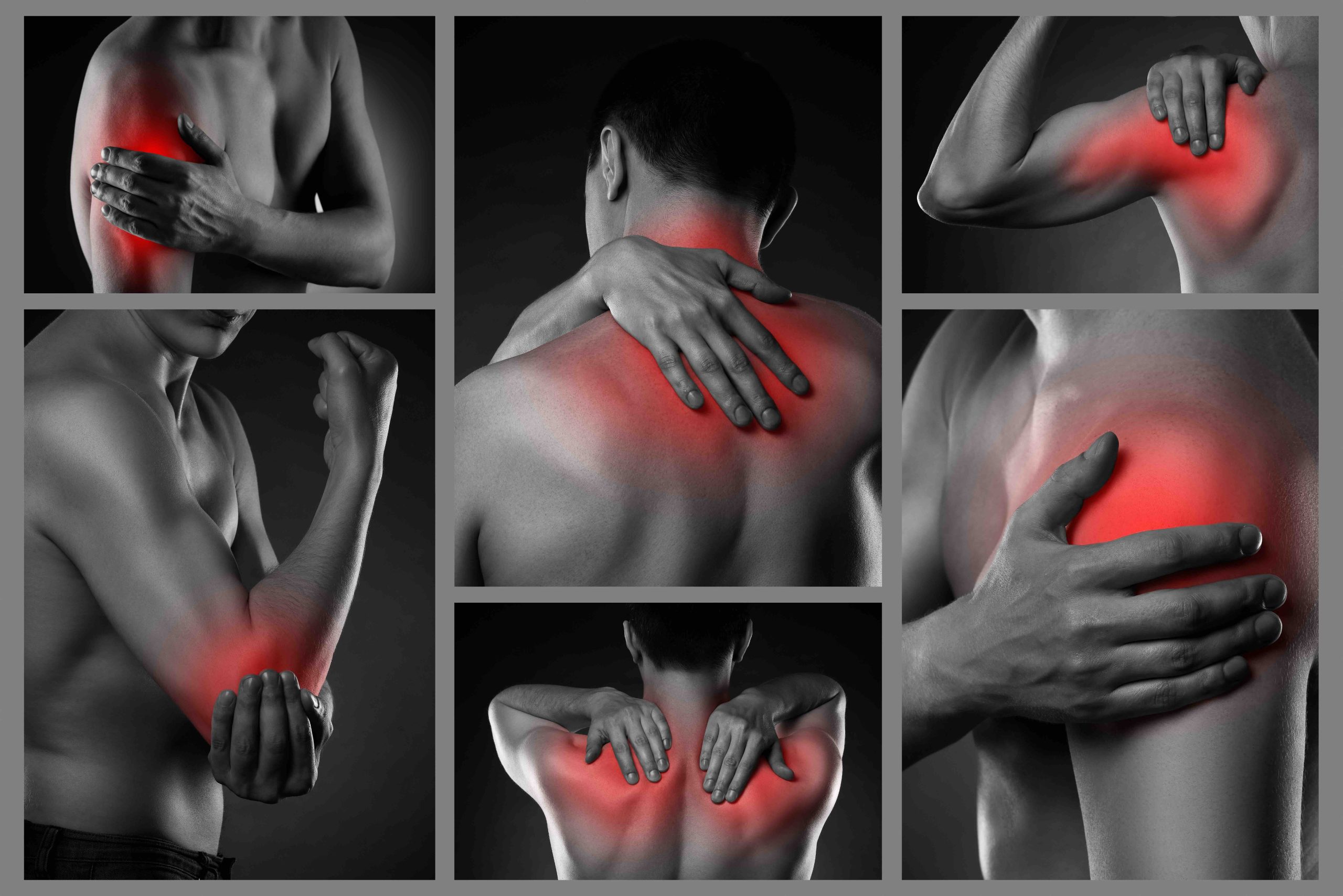
Dry needling may be beneficial for:
- Neck and back pain
- Shoulder pain
- Sciatica
- Headaches
- Tennis/Golfer’s elbow
- Hip and knee pain
- Sports injuries
- Chronic muscle tightness
What Does It Feel Like?

You may feel:
- A small pinprick upon insertion
- A quick muscle “twitch” response
- Mild soreness (similar to post-workout soreness) for 24–48 hours
- Most patients tolerate it very well.
Is It Safe?
Yes. When performed by a trained Doctor of Physical Therapy dry needling is:
- Sterile
- Targeted
- Clinically controlled
Mild soreness or bruising can occur but typically resolves quickly.
Why Combine It With Physical Therapy?
Dry needling is most effective when combined with:
- Corrective exercises
- Manual therapy
- Movement retraining
- Strength and mobility programs
It helps “reset” the muscle so therapy can work more effectively.
Dry needling vs. acupuncture. Are they the same?
 No they are not! Physical Therapy dry needling follows principles of science and Western medical approaches. Acupuncture is based in ancient Traditional Chinese Medicine where the promote using needles to treat what are known as qi (pronounced Chi) or energy points to improve one’s overall well-being and health. The philosophy of acupuncture touts to treat diseases like Diabetes, Schizophrenia, and Tourette’s syndrome to name a few. None of which have been scientifically proven. The similarity between the two practices is that both use very thin, solid filament needles to treat the patient, but that’s where the similarities stop. Each practice has a distinct methodology and approach. Doctors of Physical Therapy practice within the confines of science and continue to be the lead researchers on the topic of trigger points and the various treatments which include Dry Needling.
What are the risks of dry needling?
As with any medical procedure there are inherent risks involved. A study in the Journal of Manual Therapy 2014 22;134-140 revealed that there is less than 0.04% chance of a significant adverse event associated with dry needling and only a 20% chance for minor adverse events. Your Doctor of Physical Therapy will gladly walk you through the risks and rewards upon your first appointment.
How long does it take to see results with Dry Needling treatments?
 Even though your TrPs have been treated the body will try and revert back to old habits and pain patterns. For this reason your treatments need to be consistant to allow your Doctor of Physical Therapy time to change and correct these patterns through a comprehensive program that is customized for each patient. After a certain number of treatments (its different for everybody) the pain cycle is broken, and proper muscle and nerve function is restored.
Will my insurance pay for Dry Needling?
No and that is a real shame as science continues to prove the efficacy of the treatment. However, we have very affordable plans and packages available for you to choose from. Remember, it is part of a robust program that your Doctor of Physical Therapy designs for you and usually includes Physical Therapy visits that your insurance will pay for.
How do I get a Dry Needling appointment?
It’s really easy! Just call our office at 850-248-1600 and tell them you would like to come in for a dry needling treatment session which starts with a thorough examination, which is paid for by your insurance company, a recommendation for further Physical Therapy treatment sessions (also paid for by your insurance) and a recommendation for separate dry needling sessions which only last approximately 30 minutes per session.